

When travelling to Spain, immersing yourself in the local rhythm is part of the magic. Let’s dive into the fascinating history and modern reality of the siesta, along with a few other wonderful Spanish traditions you must experience.
When going to Spain, one little word is bound to pop up in almost every conversation: Siesta.
The Siesta: More Than Just a Nap
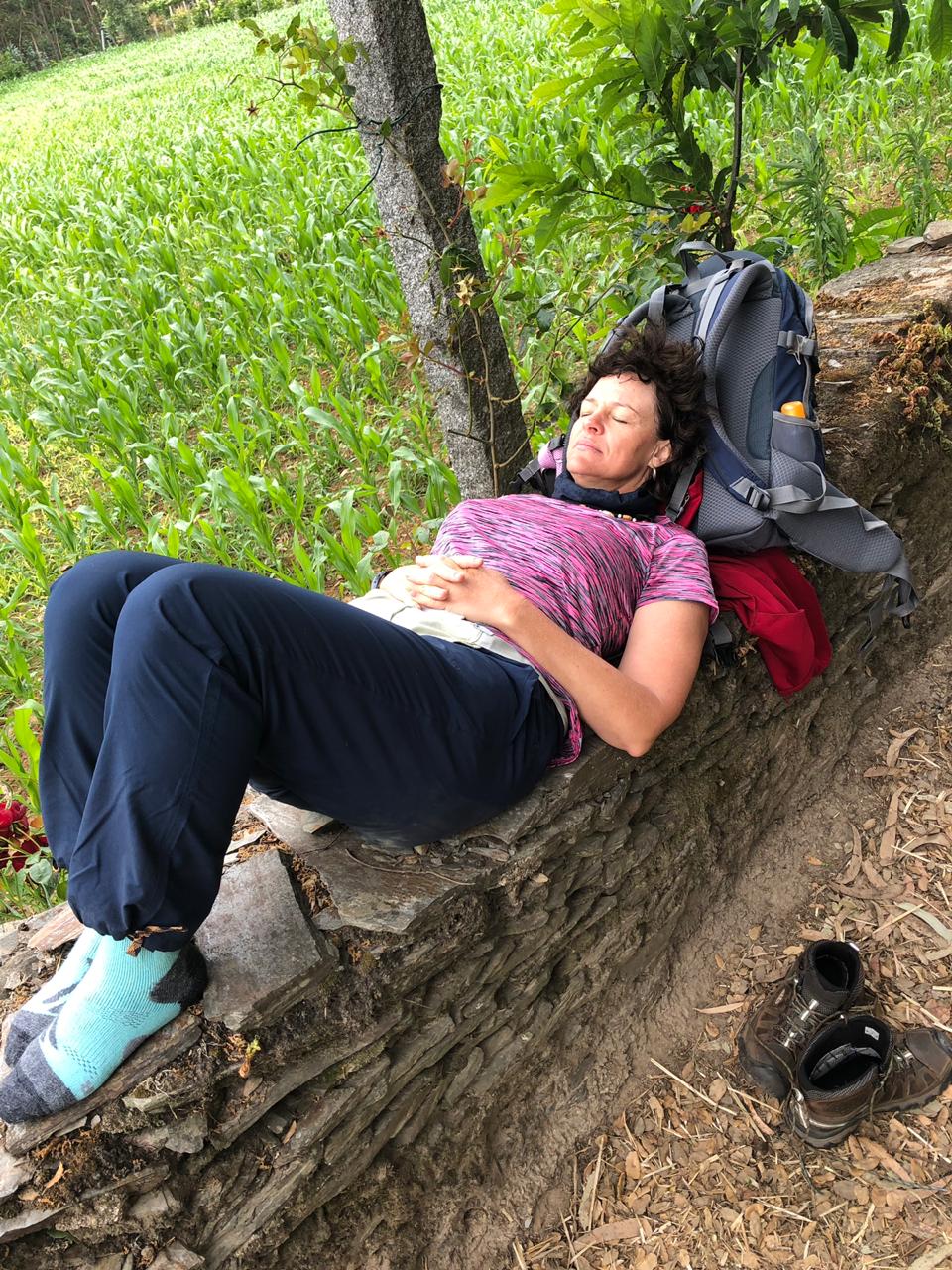 While it is an iconic Spanish tradition, the siesta actually has Roman origins. Under the Roman 12-hour daylight system, the sexta hora (sixth hour) marked the exact midpoint of the day. At this hour, most businesses, including courts and markets, closed their doors.
The Romans prioritised otium (leisure) over negotium (business), limiting official work to the mornings. After a light lunch, citizens retreated to the shade to escape the intense Mediterranean heat. A short nap was followed by a trip to the public baths for conversation, relaxation, and light exercise before the grand evening meal. Later, this midday rest period was reinforced by the Catholic Church’s midday prayer, Sext.
The Modern Siesta Today, the tradition of an afternoon break remains deeply embedded in Spanish culture, but the way it is spent has evolved. It’s a common misconception that all Spaniards sleep every afternoon. In fact, modern studies show that less than 18% of Spaniards nap daily. Instead, the hours between roughly 2:00 p.m. and 5:00 p.m. serve as a vital break from the heat and a way to balance a workday that often stretches late into the evening.
Key activities during the modern siesta include:
- The Long Lunch: Enjoying the main meal of the day, often shared with family or friends.
- Resting & Resetting: Relaxing at home, reading, or watching television.
- Escaping the Heat: Commuting home to avoid the peak midday temperatures.
- A Pause in Commerce: While larger restaurants and corporate businesses remain open, many small shops close, allowing employees to go home and rest.
Another wonderful Spanish tradition is El Paseo: The Art of the Stroll
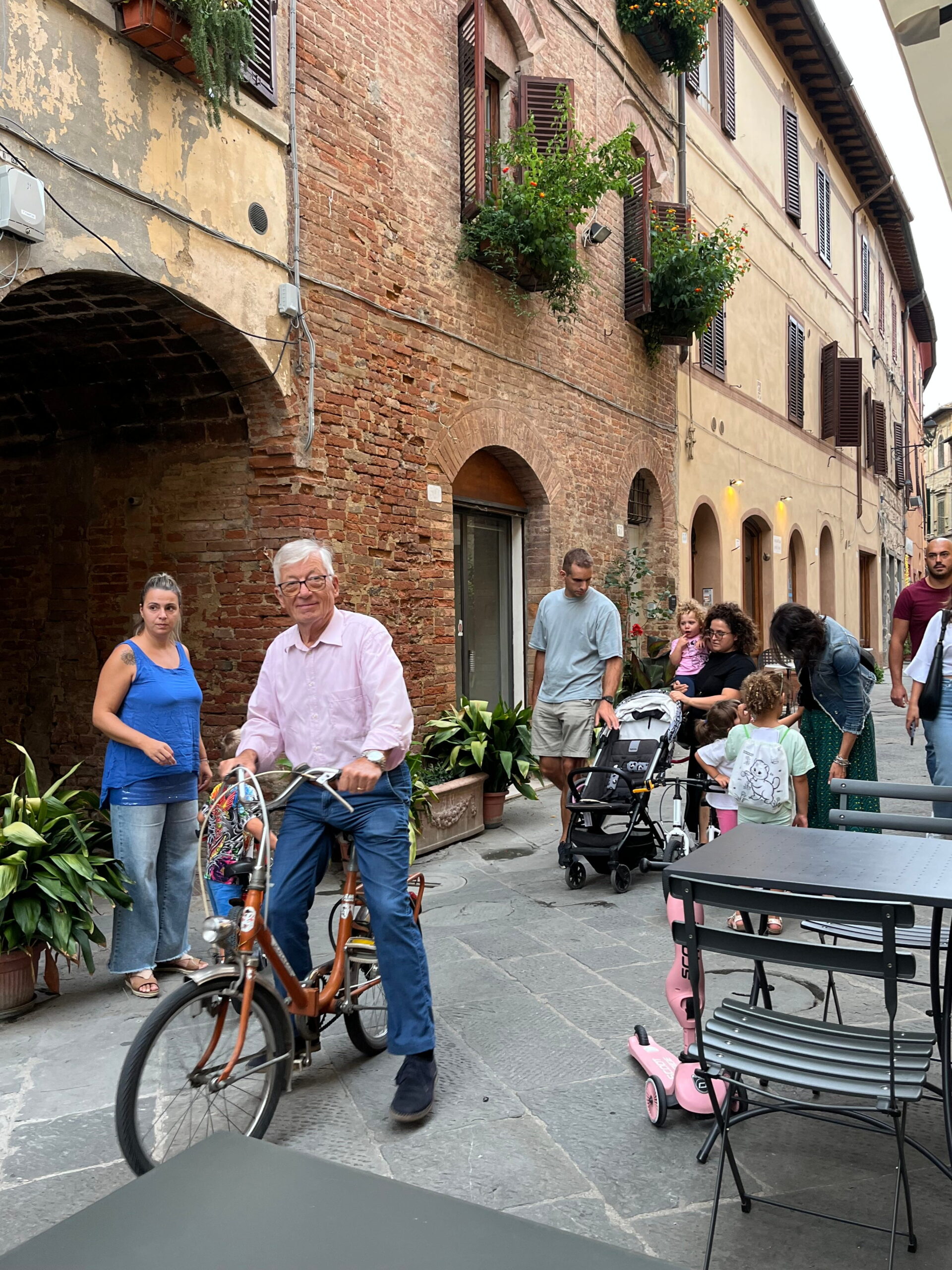 As the afternoon cools, it’s time for another wonderful Spanish tradition: the Paseo. This is the Spanish term for a slow, leisurely, and social walk, typically taken in the late afternoon or early evening. A paseo is never about exercise; it is a cultural ritual centred on community connection. You will see it unfolding in public squares, tree-lined avenues, and pedestrian-friendly streets. Interestingly, the word also refers to the physical walkway itself (like a boulevard) and historically described the formal entrance march of bullfighters.
The Paseo in Practice:
- Socialising: Families, couples, and friends walk together to chat, catch up on local news, and connect after the workday.
- Strolling & Viewing: Wandering through city centres, parks, or along the promenade (paseo marítimo).
- Tapas & Shopping: Breaking up the stroll by popping into local cafes, boutiques, or bars for a quick drink.
- The Daily Reset: Lasting for a few hours (especially from 5:00 p.m. onwards), this ritual serves as the perfect prelude to Spain’s famously late dinners.
This brings us to our third beautiful Spanish tradition: El Aperitivo
Spanish culture is inextricably linked to its food and drink, best enjoyed in bustling town plazas.
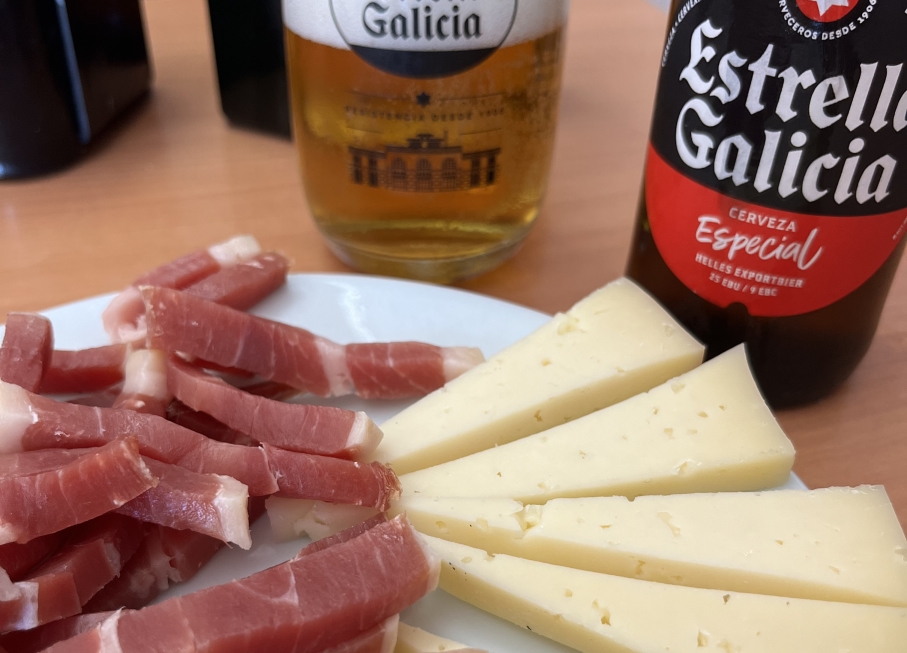 You can’t visit Spain without experiencing a Tapa. Derived from the verb tapar (“to cover”), these small plates of food range from simple snacks to elaborate miniature dishes, and are traditionally served free with your drink! This ties into the broader concept of the Aperitivo—enjoying a beverage accompanied by light bites like olives, cheese, potato chips, or cured ham to stimulate the appetite before a meal.
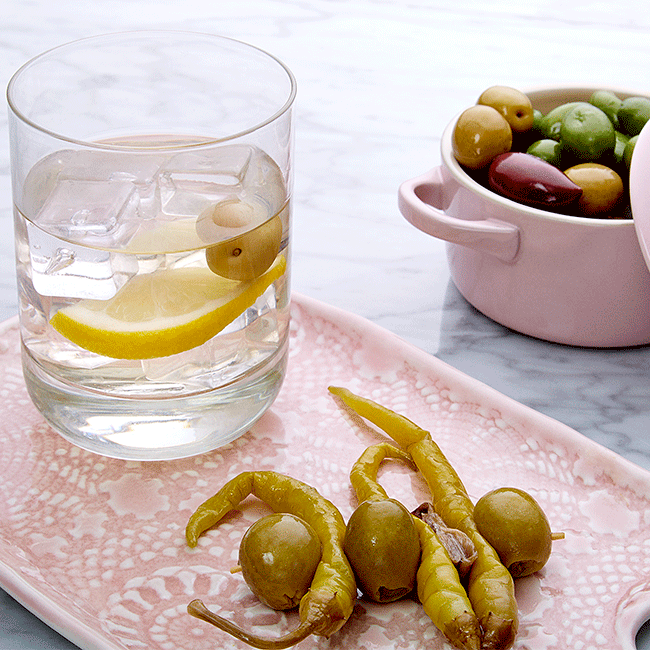
In smaller towns, you might hear the phrase sentarse a la fresca (“sitting in the cool”). This is the time-honoured tradition of gathering outside in the cool evening air, often accompanied by a refreshing drink.
And speaking of drinks, we cannot forget La hora de vermut (“The Vermouth Hour”). Traditionally taking place just before lunch between 12:00 p.m. and 2:00 p.m., this specific time is dedicated to sipping sweet, botanical vermouth. It marks the start of the afternoon with an aperitif believed to aid digestion before a heavy lunch. La hora de vermut is all about hitting pause in the middle of the day to enjoy life with
friends. (Of course, you don’t have to limit yourself to midday—we love enjoying vermouth during our own nighttime tapas crawls!)
Vivo El Apertivo!
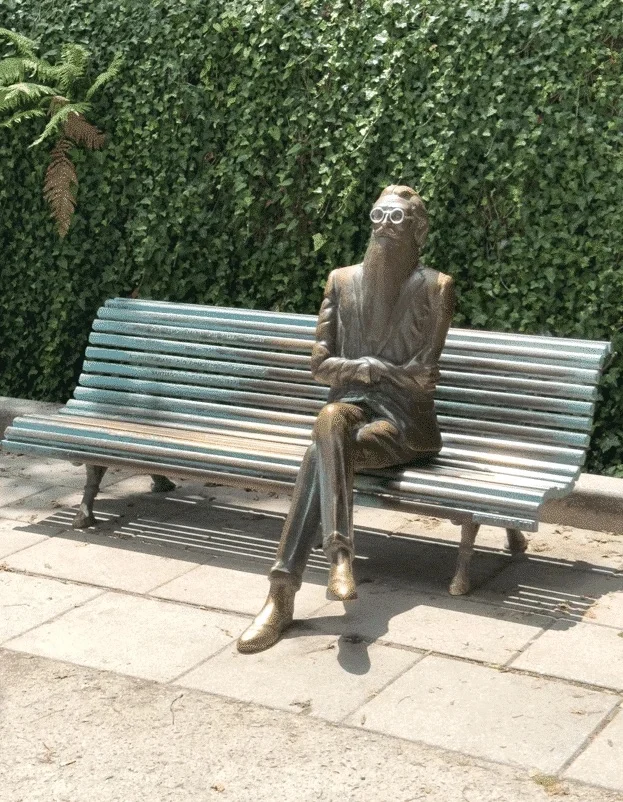 On your Camino, make sure to pause and immerse yourself in the local rhythm by enjoying a siesta, taking a paseo, and indulging in afternoon aperitivos.
And when you visit Santiago de Compostela, make sure to go for a paseo in Parque da Alameda, beautifully situated halfway between the University Campus and the historic centre where the Cathedral resides.
While strolling through the park, keep an eye out for the famous statue of the two colourful ladies, known as As Marias! You can read more about the fascinating story of these two sisters in our blog post: “Must Visits in Santiago de Compostela.”


 Jamón (Ham)
 Pulpo (Octopus)
 Paella
 Patatas Bravas
 Padron Peppers
 Tarta de Santiago
