
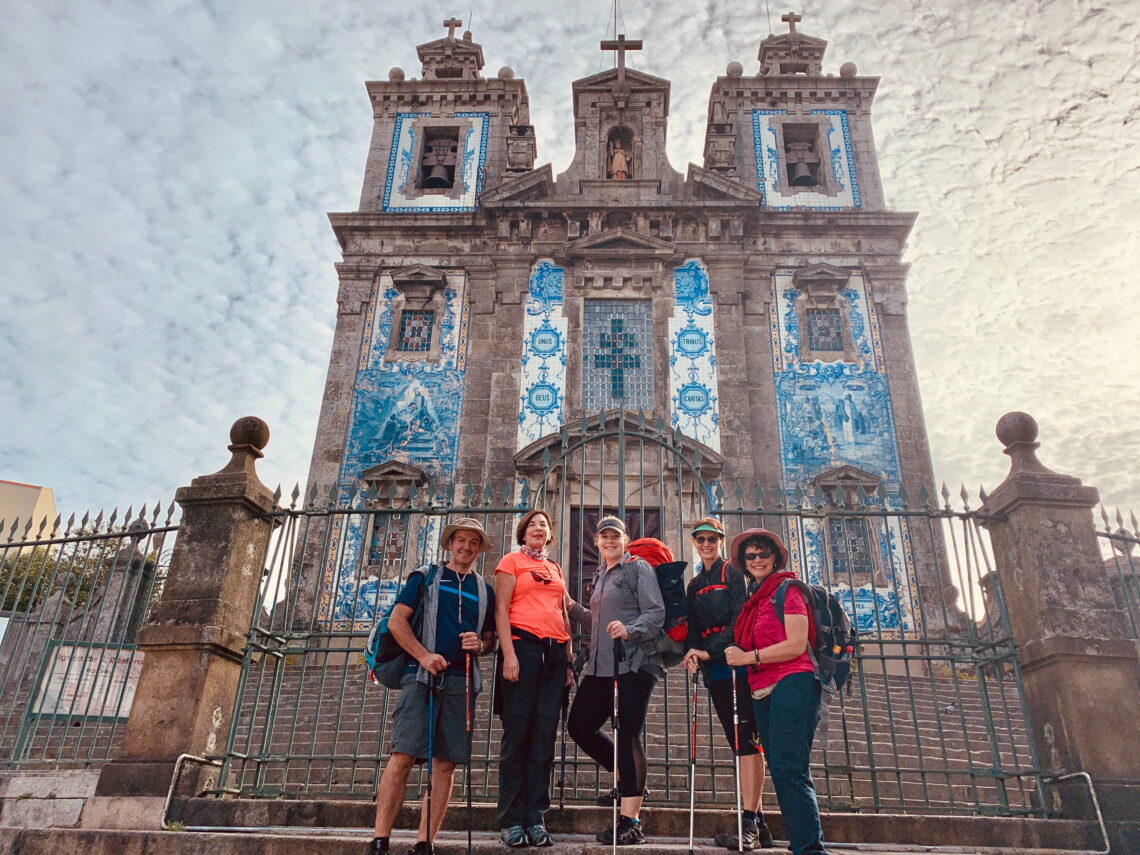
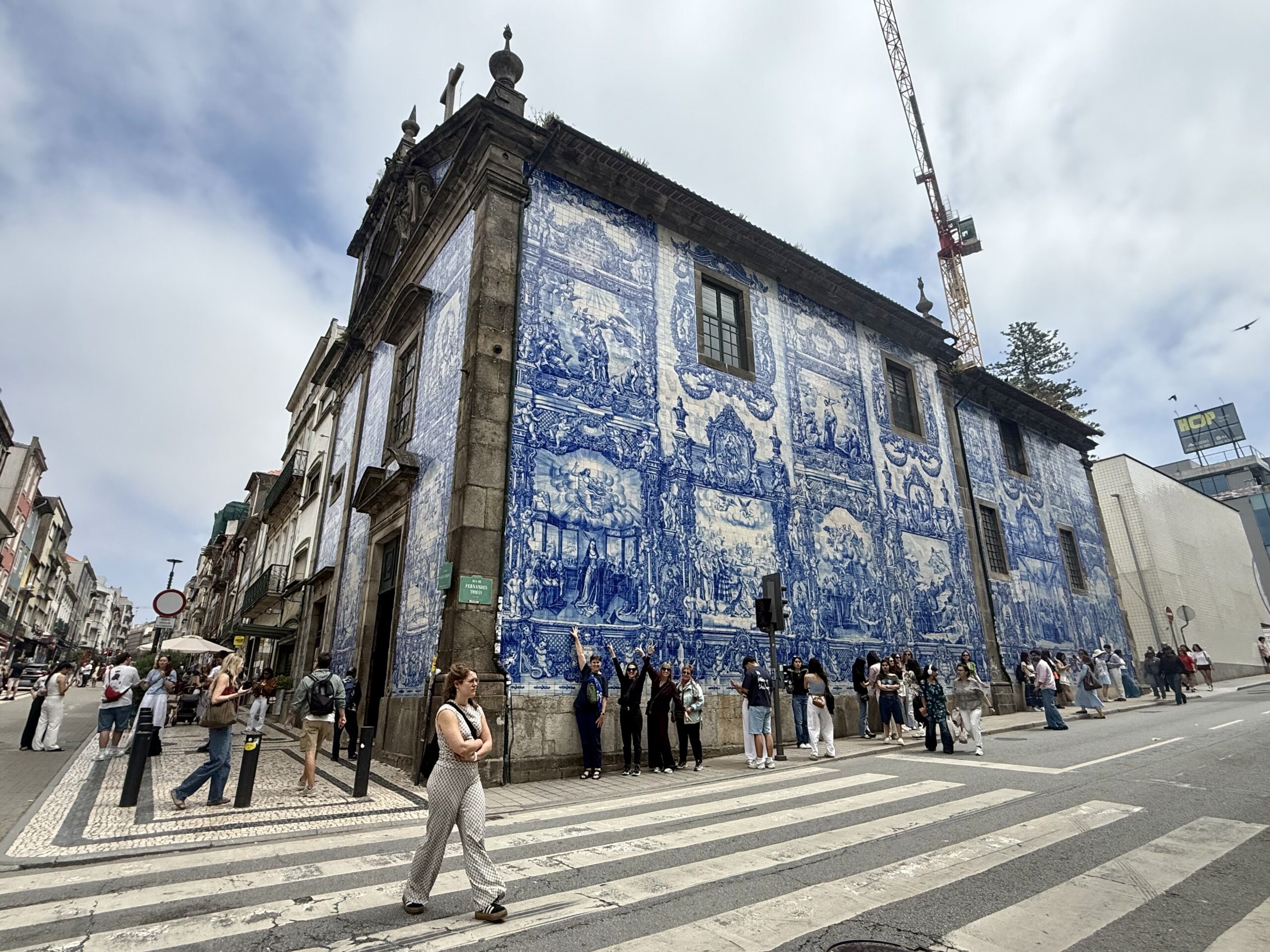
Porto isn’t a city you just check off a list; it’s a city you feel in your knees – thanks to those never-ending, steep cobblestone streets. Spend your pre-Camino days drinking espresso or Super Bock on the riverfront, marvelling at the blue-and-white azulejos (tiles) decorating the church walls, and crossing the iconic Dom Luís I Bridge to Vila Nova de Gaia for a glass of authentic Port wine. Treat it as your baseline training—because once you start walking north, the rhythm changes completely.
The Fork in the Road: Coastal vs. Central
 The Portuguese Way splits into two main routes out of the city:
- The Central Route: The classic historical path. It heads straight inland through vineyards, eucalyptus forests, and sleepy Roman-era towns like Ponte de Lima. It’s hillier, deeply traditional, and rich in rural culture.
- The Coastal Route: The modern variant. It hugs the Atlantic shoreline, steering you along kilometres of custom-built wooden boardwalks, past sandy dunes, old windmills, and vibrant fishing villages.
The Insider Tip: The exit out of central Porto along the inland Central Route can be heavily urbanized and industrial. We arrange a 10 km transfer through this area resulting in your first day becoming just more than 20km’s. For Coastal route you will then start at Matosinhos or Central route from the church plain in Maia.
You can also combine the two routes by doing the first day coastal route to Vila do Conde and then moving inland to Barcelos (my personal favourite choice).
GET YOUR FIRST STAMP IN PORTO
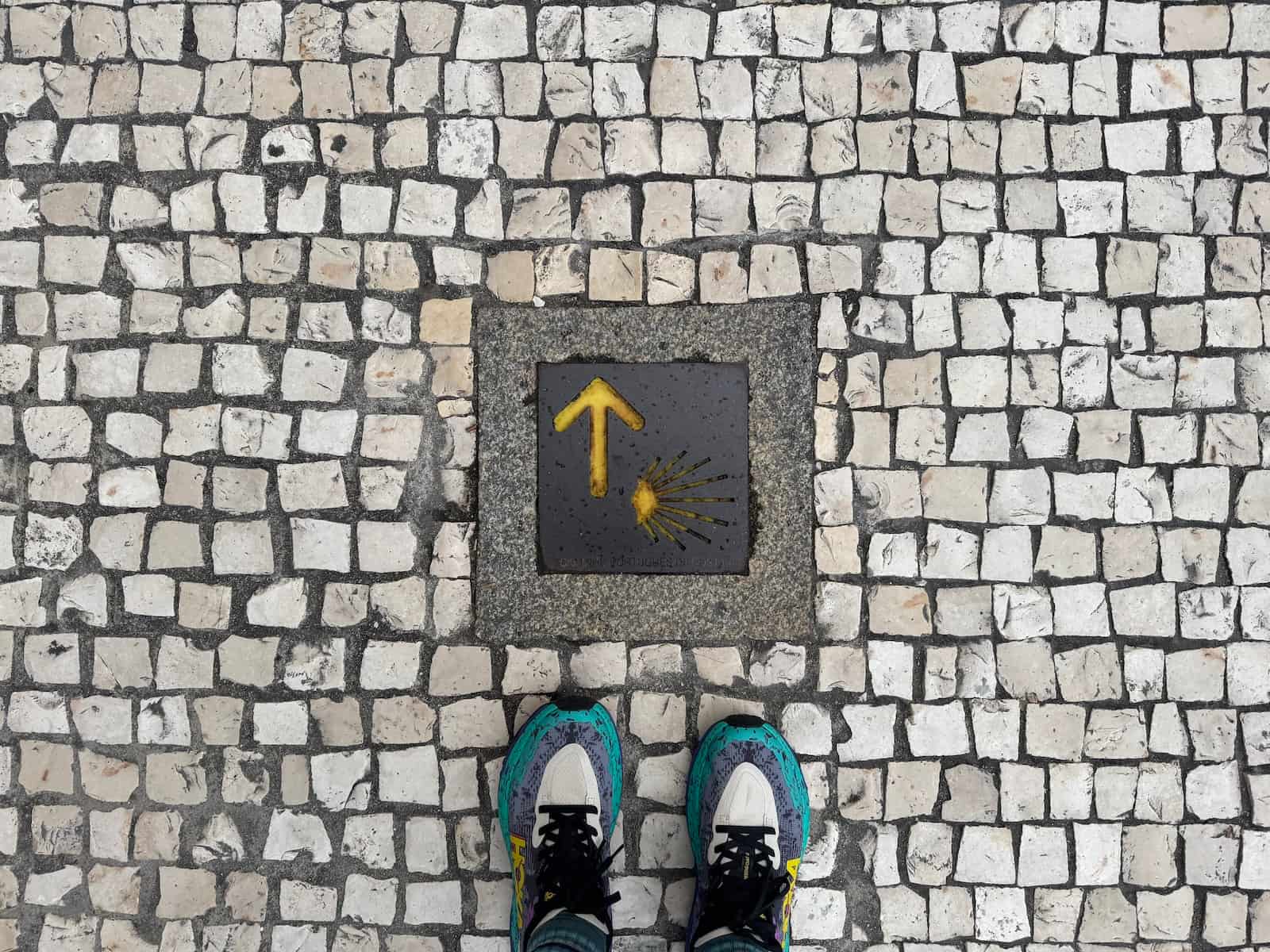
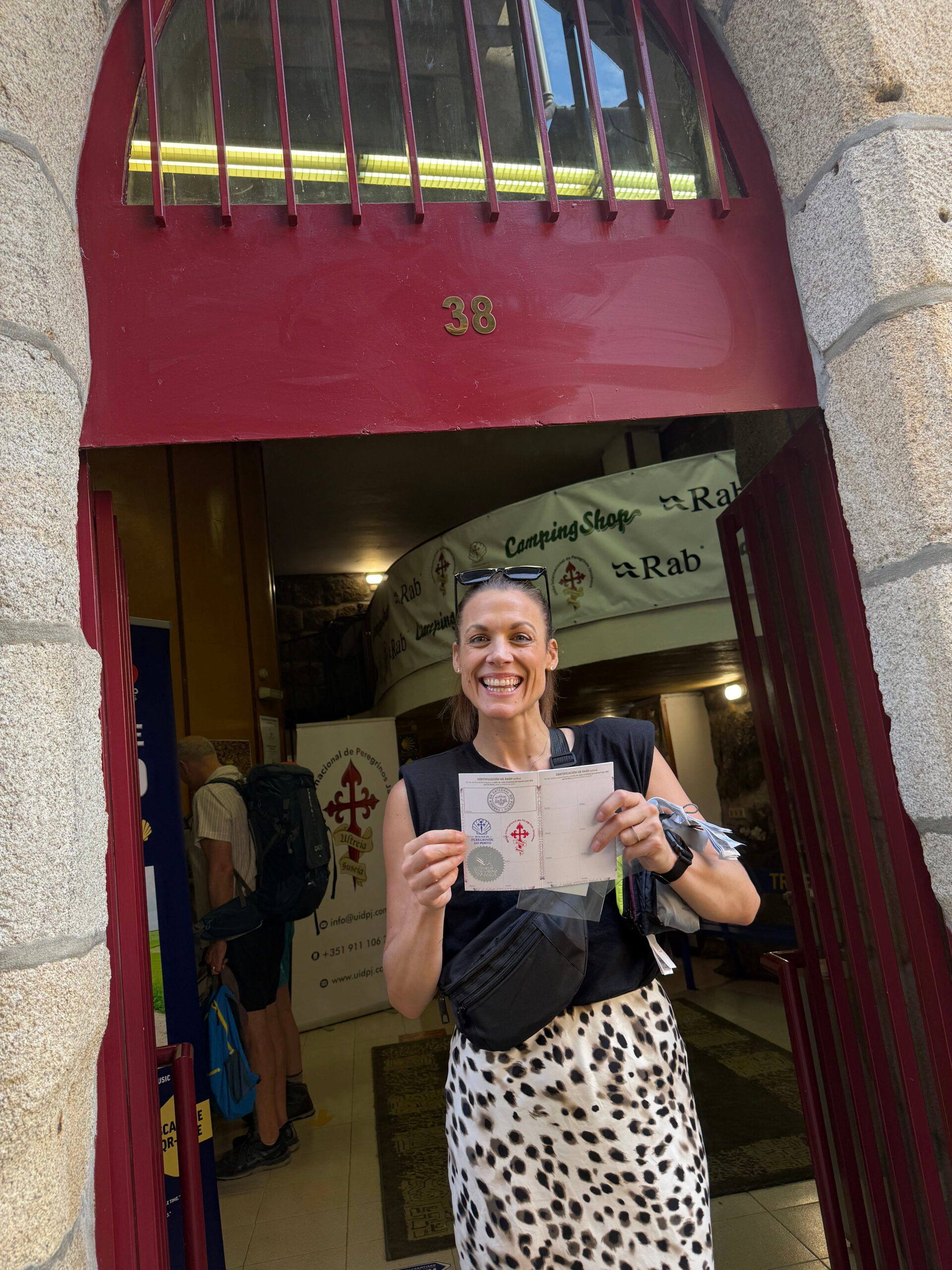
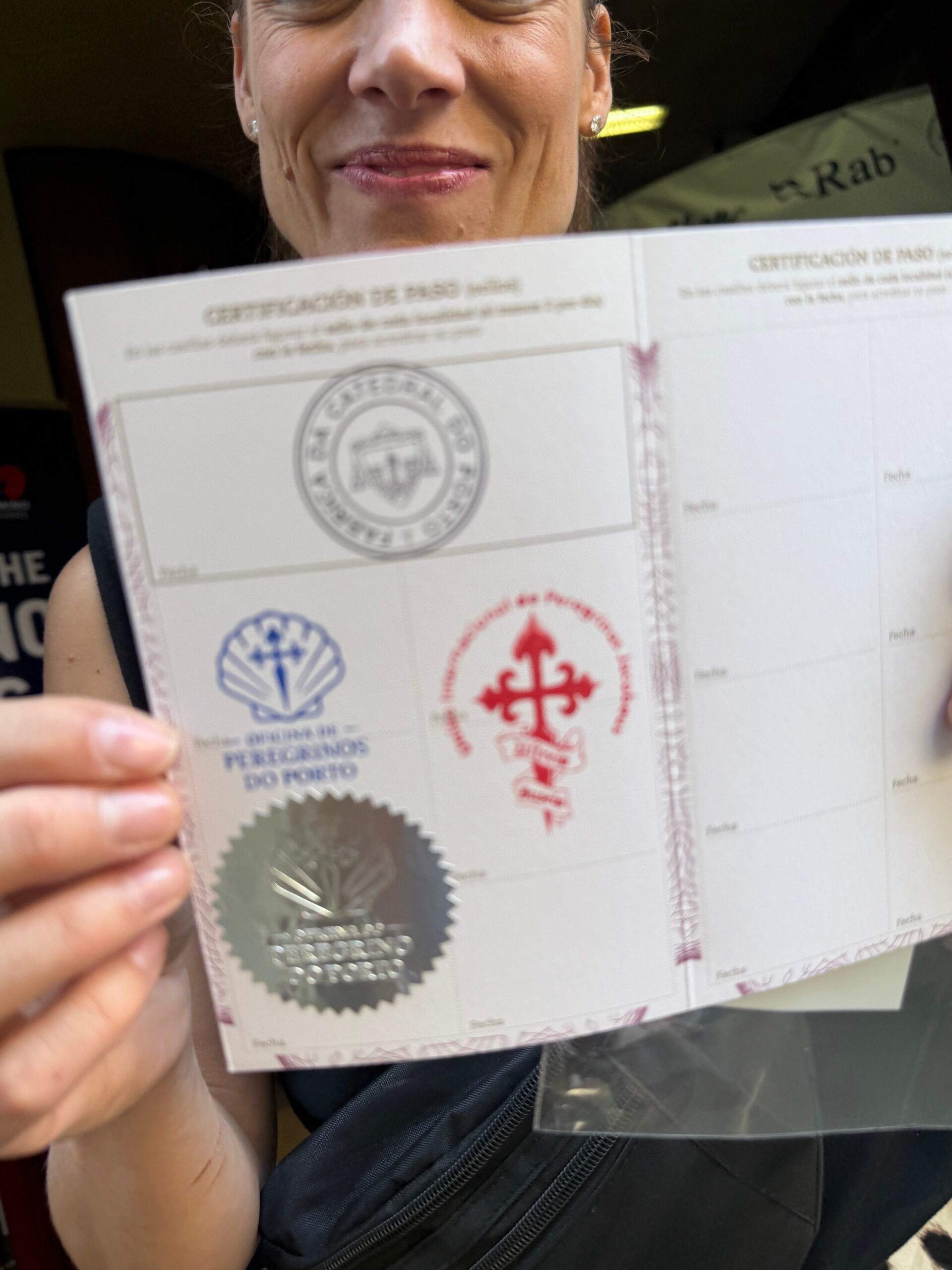
The brand new Pilgrims Office (opened in April 2026) is just a few steps from Sé do Porto (Porto Cathedral). Right at this marker, you take the few steps downhill to be welcomed by friendly Camino volunteers to give you your first stamp (I prefer this one to the one received from the unfriendly Cathedral staff!) You can even get a second beautiful embossed stamp for a small donativo.
CUISINE
On the French Way, you will eat a lot of Menú del Día (pork, potatoes, and eggs). On the Portuguese Coastal route, your fuel is often fresh off the boat. Think grilled sardines drizzled with olive oil, bacalhau (salted cod) prepared a dozen different ways, and steaming bowls of seafood rice paired with a crisp, slightly effervescent glass of local Vinho Verde (green wine). Yummy.
Make sure to try:
- Sardines/Ptingish (preferably in season June – July)
- Bacalhau (cod fish)
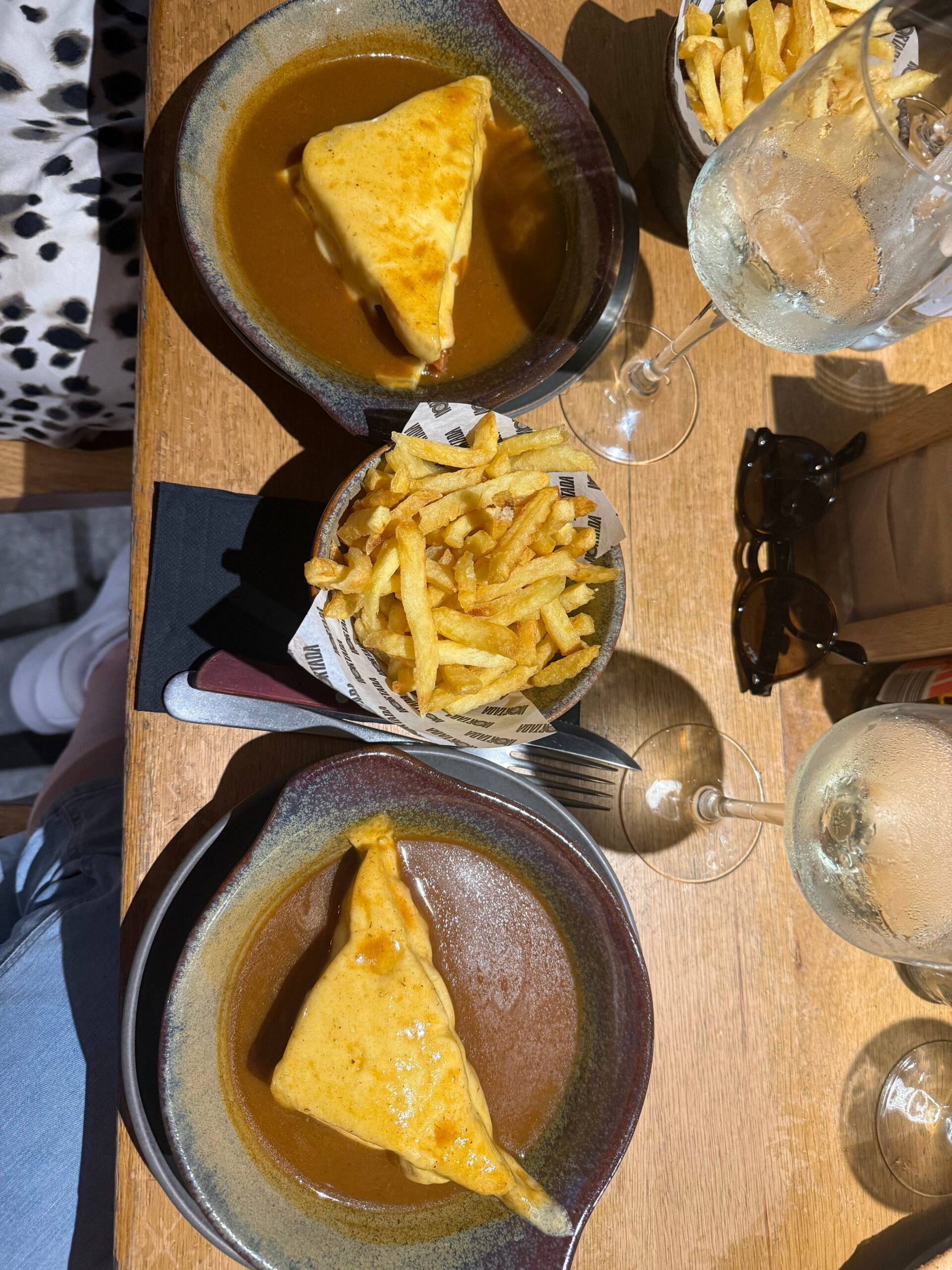
- Francesinha sandwiches
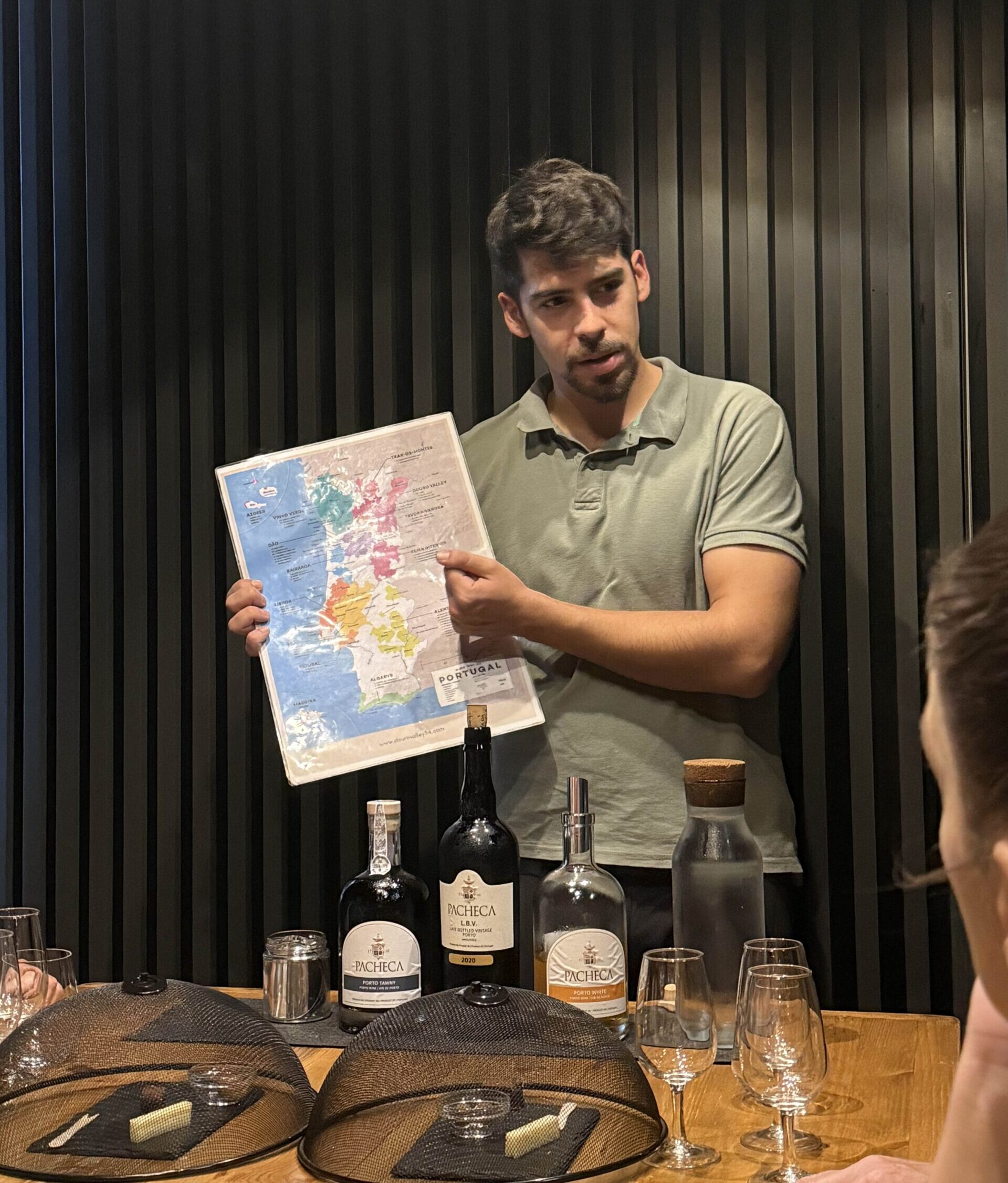
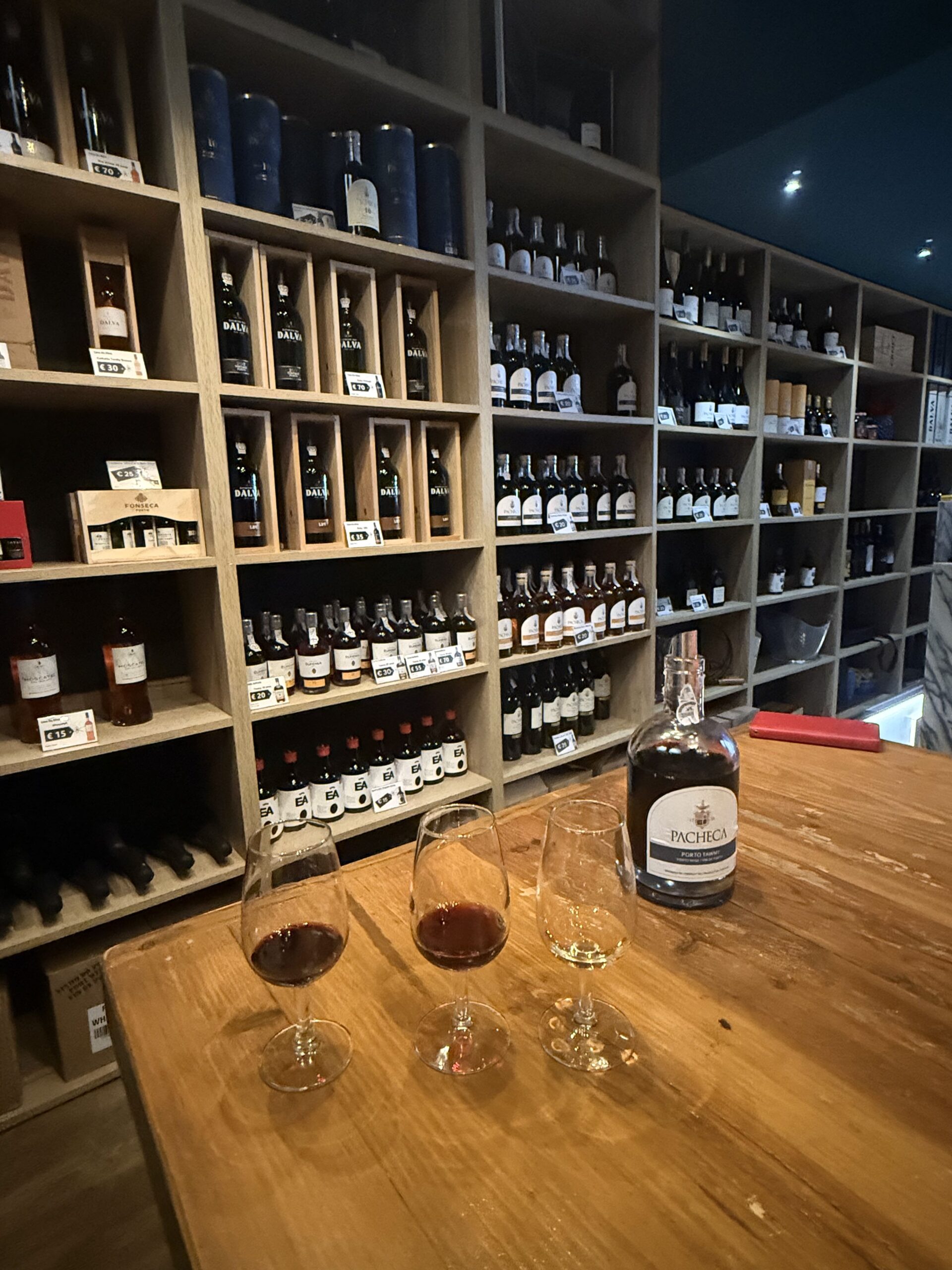
- A Port tasting at the Ribeira district.
- Cashorinho (The Porto hot dog)
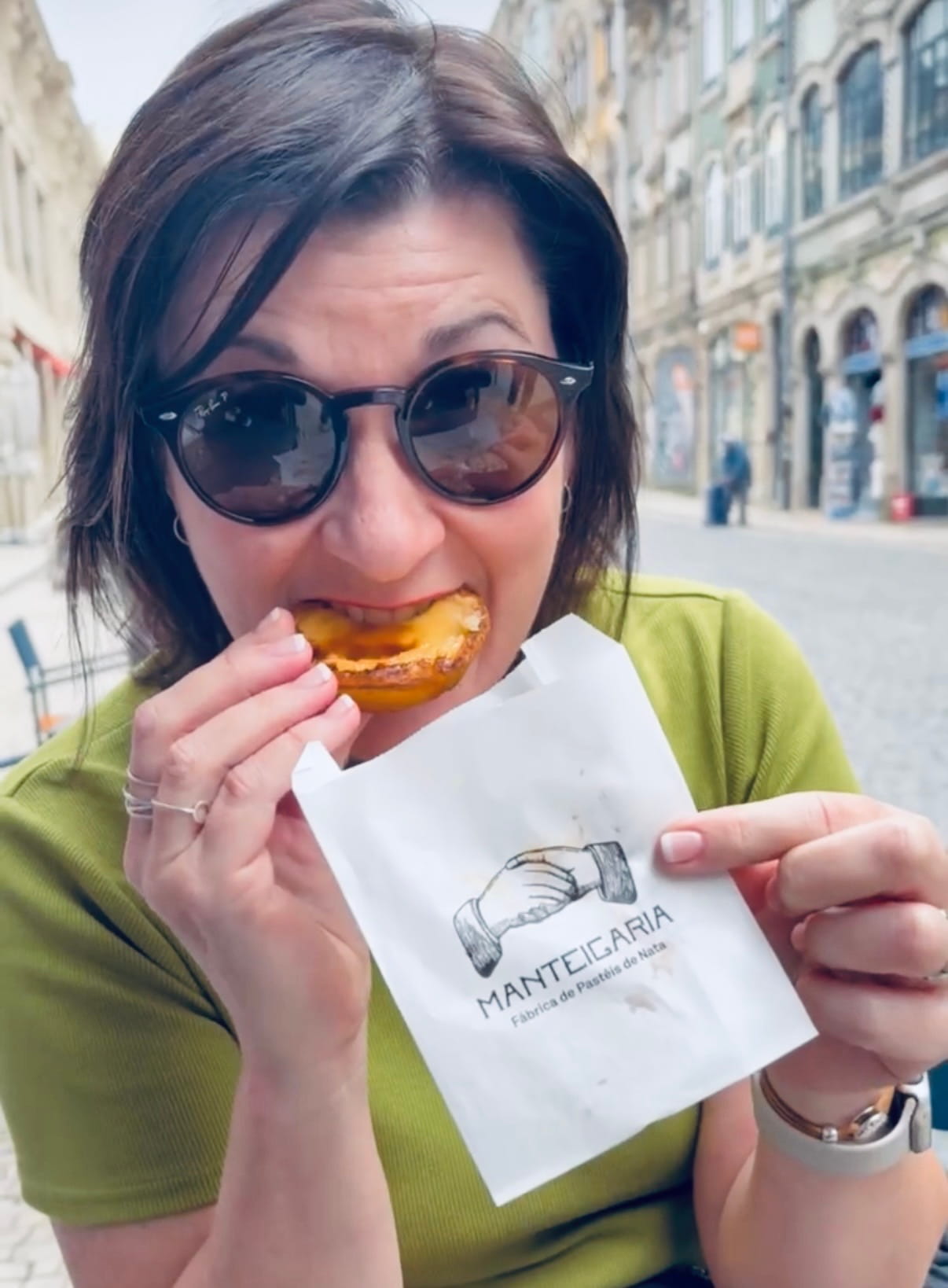
- And of course Pasteis de Nata!
The last 100 km’s into Santiago de Compostela
There are 2 options if you would prefer to walk only the last 100 km – the minimum requirement to receive your Compostela. On the Central route starting from TUI or Coastal route from Vigo. I personally prefer Tui.
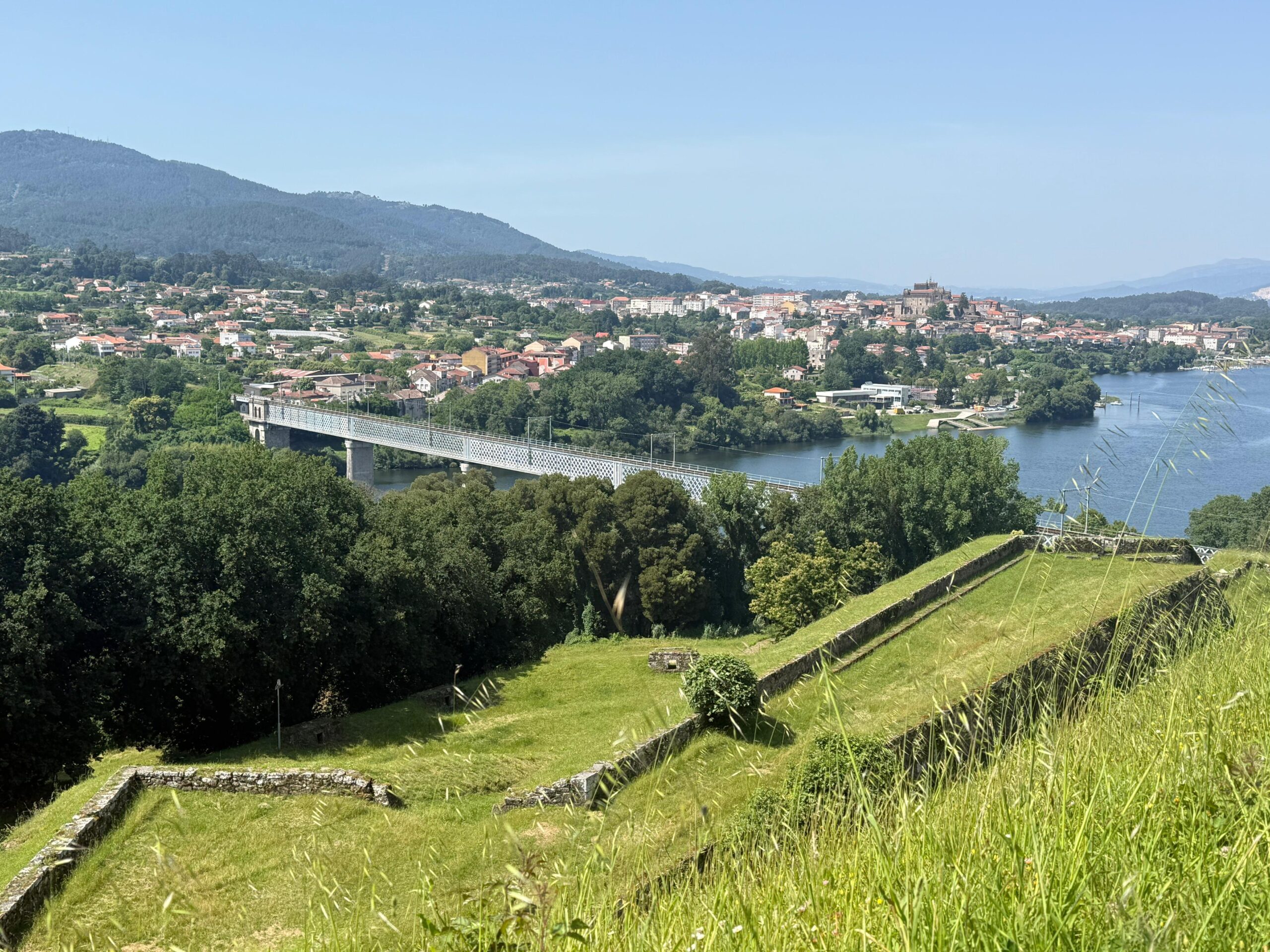
Starting in Portugal and walking into Spain gives you a front-row seat to a beautiful cultural transition. You will watch the language morph from the soft, shushing tones of Portuguese to the crisp syllables of Spanish. You’ll cross the border in Spain: On the Central route, passing the picturesque ancient town of Valença before crossing the Minho River on foot by the stunning iron bridge. If the Coastal route was your choice, a tiny ferry boat from Caminha to A Guarda will take you to Spain!
Greta Engelbrecht
June 2, 2026 at 3:32 pmHi
I would be interested in the Portuguese route for 2027.
Ria Fivaz
June 4, 2026 at 3:55 pmwow u gals have made so many magic memories! well doe ! ur all such an inspiration to all of us 💓
Yolandi
June 5, 2026 at 9:05 amSoon it will be your turn Ria!
Sadie Fourie
June 8, 2026 at 8:45 amDear Yolandi,
1.How many km’s from Porto to Tui if one does the Coastal Route?
2. By doing the Muxia/ Finisterre option from Santiago and back, how many km’s?